


Summary first:
- Water mitigation stops active water damage and prepares a property for drying and repair, and response speed within the first 24-48 hours directly affects mold risk and repair costs.
- Reliable providers combine moisture detection equipment, structural drying, and documented inspection reports to support insurance claims.
- Local availability and clear communication about scope of work are the strongest indicators of a trustworthy provider in Auburn.
Water damage from a burst pipe, roof leak, or storm backup needs a fast, documented response to limit structural harm and mold growth. Property owners searching for help typically want a provider who can arrive quickly, assess the damage accurately, and begin drying before secondary damage sets in.
Finding dependable water mitigation companies in Auburn WA means looking past advertising claims and focusing on response time, equipment, and how clearly a company explains its process. Auburn’s mix of older residential neighborhoods and newer commercial development means water intrusion issues vary widely, from aging plumbing to flat-roof drainage problems, so the right provider should be able to assess a range of property types rather than a single building style.
What Water Mitigation Actually Involves
Water mitigation is distinct from full restoration. It focuses on stopping ongoing damage and preparing the space for repairs, rather than rebuilding finished surfaces.
A typical mitigation response includes:
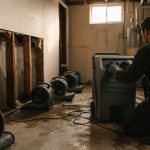
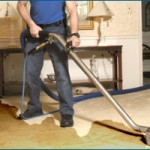
- Water extraction using pumps or truck-mounted vacuums
- Moisture mapping with meters to identify hidden saturation in walls or subfloors
- Placement of air movers and dehumidifiers to dry structural materials
- Removal of unsalvageable materials such as soaked drywall or insulation
- Documentation of damage for insurance reference
According to the Federal Emergency Management Agency guidance on mold after flooding, drying a structure within 24 to 48 hours significantly reduces the likelihood of mold colonization. This timeline is the reason mitigation speed matters more than almost any other factor when a leak or flood occurs.
How to Evaluate Local Providers
Not every company that advertises water cleanup services operates the same way. A short evaluation checklist helps narrow the field before an emergency happens.
1. Response availability – Confirm whether the company offers 24-hour emergency service, since water damage does not wait for business hours.
2. Equipment transparency – Ask what drying and moisture-detection tools will be used and how progress is measured.
3. Documentation practices – A reliable provider should photograph and log moisture readings throughout the drying process, which supports any insurance claim.
4. Scope clarity – The company should explain what mitigation covers versus what falls under separate repair or reconstruction work.
|
Evaluation Factor |
What to Ask |
Why It Matters |
|
Response time |
Can crews arrive within hours? |
Limits mold growth and structural swelling |
|
Equipment used |
What dehumidifiers or extraction tools are deployed? |
Determines drying speed and thoroughness |
|
Documentation |
Are moisture logs and photos provided? |
Supports insurance claim accuracy |
|
Service area |
Does the company regularly serve Auburn properties? |
Local familiarity speeds assessment |
Why Local Response Matters in Auburn
Properties in Auburn face specific conditions, including seasonal rainfall and older plumbing infrastructure in parts of the city, that can accelerate water intrusion if not addressed quickly. A provider based near the service area can typically reach a property faster than a company dispatching crews from farther away.
Local familiarity also helps with practical details, such as knowing common foundation types or crawlspace configurations found in the area. This local knowledge does not replace proper equipment or trained technicians, but it does reduce the guesswork during an initial assessment.
Pacific Northwest Restoration LLC operates as one of the companies serving the Auburn area, offering water damage mitigation services that include extraction, structural drying, and moisture documentation. Property owners comparing providers should confirm similar core services are available before committing to any company.
Frequently Asked Questions
How quickly should water mitigation start after a leak or flood? Mitigation should begin as soon as possible, ideally within the first 24 to 48 hours, since this window is critical for limiting mold growth and material damage according to federal flood recovery guidance.
Does water mitigation include repairs like drywall replacement? Mitigation focuses on extraction, drying, and preventing further damage. Full repairs, such as replacing drywall or flooring, are typically handled as a separate restoration phase.
Will insurance cover water mitigation costs? Many homeowner policies cover sudden water damage, but coverage depends on the cause and the specific policy terms, so property owners should review their policy details or ask their adjuster directly.
What should I do while waiting for a mitigation crew to arrive? If safe, shut off the water source, move valuables away from the affected area, and avoid walking through standing water near electrical outlets.
Water damage recovery depends on how quickly moisture is addressed and how clearly the process is documented along the way. Property owners in Auburn who compare providers on response time, equipment, and communication are better positioned to limit long-term damage. For questions about local service availability, Pacific Northwest Restoration LLC can be contacted directly through its business profile.